
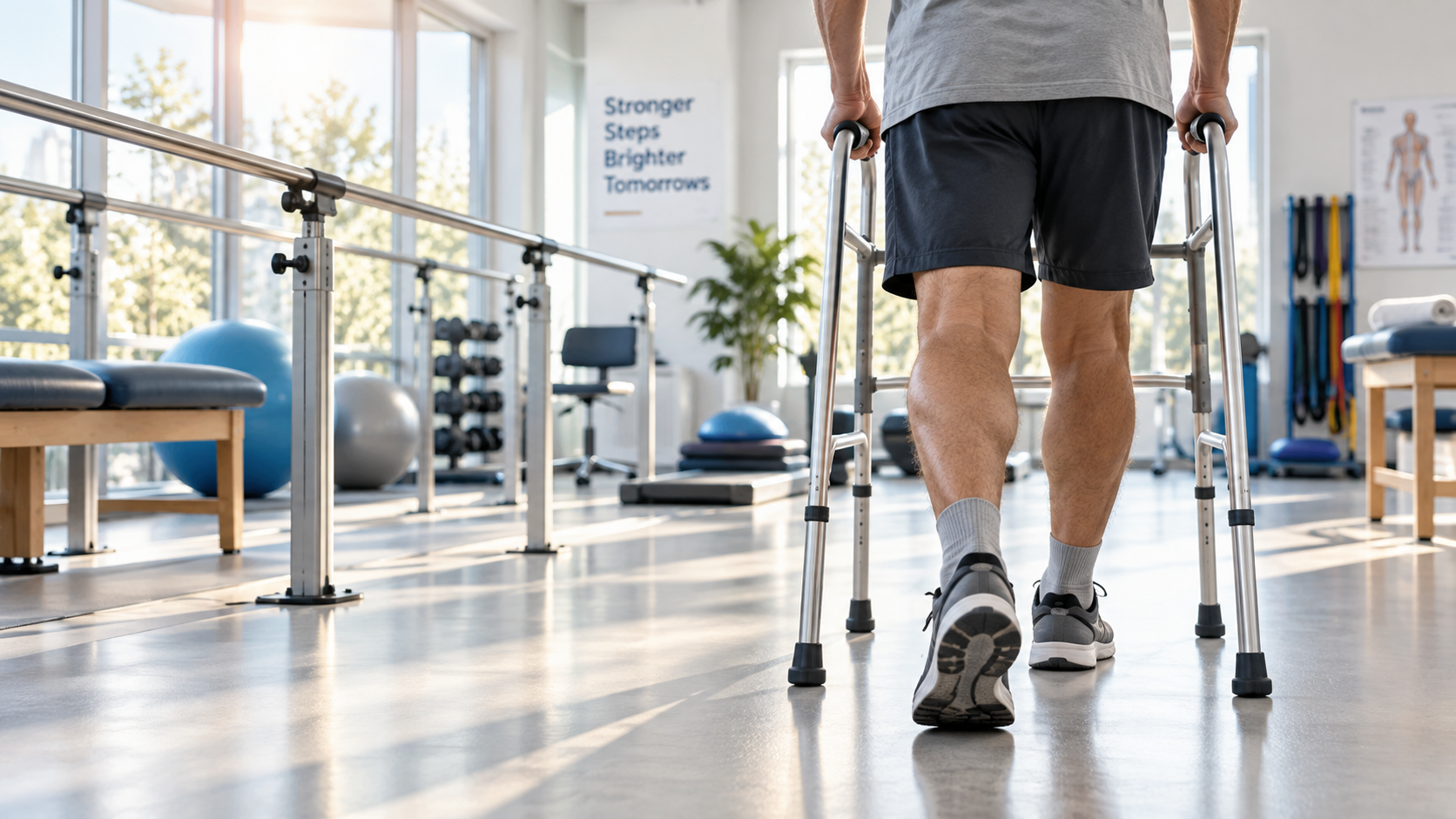
A twisted knee on the field, a shoulder that dislocated once and now feels unstable, a meniscus tear that never quite healed right — sports injuries don’t always announce themselves immediately. Sometimes it’s months later, when the joint still isn’t right, that patients come in.
What Arthroscopy Treats
- ACL and other ligament tears
- Meniscus tears (knee)
- Rotator cuff tears and shoulder instability
- Cartilage damage from sport or trauma
- Recurrent joint locking or catching
Why Minimally Invasive Matters Here
Arthroscopy uses small incisions and a camera to diagnose and treat joint damage directly, without the larger incision an open procedure would need. For athletes and active patients specifically, that generally means less soft-tissue disruption, less scarring, and a faster path back to training — though the exact timeline depends heavily on which structure was repaired and how.
What To Expect
Most arthroscopic procedures are day-care or overnight stays, not multi-day hospital admissions. Recovery is highly specific to the injury — a meniscus trim recovers faster than an ACL reconstruction, for instance — and a structured rehab plan matters more here than in almost any other type of orthopaedic surgery, since returning to sport too early is one of the most common causes of re-injury.
Frequently Asked Questions
How is arthroscopy different from open surgery?
Arthroscopy uses small incisions and a camera inserted into the joint, rather than one larger open incision. This generally means less tissue disruption, less scarring, and often a faster initial recovery, though not every injury is suitable for an arthroscopic approach.
How soon can I return to sport after arthroscopic surgery?
It depends heavily on what was repaired — a meniscus trim might allow return to light activity within weeks, while ACL reconstruction typically needs six to nine months of structured rehab before returning to competitive sport.
Do all ACL tears need surgery?
Not always. Some patients, particularly those who are less active or willing to modify their activity level, manage well with physiotherapy alone. This is assessed individually based on the degree of instability and the patient’s activity goals.
What happens during an arthroscopic knee procedure?
A small camera (arthroscope) and specialised instruments are inserted through small incisions to directly visualise and treat the damage — trimming or repairing torn cartilage, reconstructing ligaments, or removing loose fragments, depending on the diagnosis.
Is arthroscopy only for athletes?
No — while it’s strongly associated with sports injuries, arthroscopy is also used for joint damage from general trauma, degenerative changes, and other non-sporting causes.